Bend Oregon fly fishing hub page with links to current fishing reports, printable local river fly calendars, common bugs with matching flies, local river tips and more... (Updated 11/6/26)
PICK your fishing location and time - best early mornings & late evenings + overcast days - and your fishing gear.
OBSERVE LOCATION & CHOOSE A FLY.
When observing onsite - are the fish rising?...do you see little circles on the surface? CHOOSE a dry fly to 'match the hatch' of observed bugs from your river's fly calendar. If fish are not rising, then CHOOSE a nymph, streamer or terrestrial from your river's fly calendar.
Stay low. Fish face upstream (food comes to them). If they see you, they will run. DO NOT wear bright colors / splash around / move quickly / make a lot of noise. Move slowly and quietly.
Cast along the banks or areas just downstream of rocks & debris (fish do not want to have to work hard to stay in the fast-moving current).
In small, clear streams, fish upstream to avoid spooking trout. On wide rivers, fishing downstream is often easier.
When casting upstream 'dead drift'.
When fishing downstream 'skate' / 'twitch & skidder' your flies, and retrieve slowly.
Important: Help yourself - wear polarizing sunglasses so you can see the fish better.
Mayfly (Dry)Parachute Adams (Gray, Purple Haze), Baetis Mayfly, Blue-Winged Olives (BWO), Pale Morning Dun (PMD), Green Drake Comparadun, March Brown Comparadun, Mahogany Dun, Rusty Spinner
Caddis (Dry)Caddis (various), Elk Hair Caddis, Green Caddis, Spotted/Speckled Caddis, Grannom Caddis, Green Rock Worm (Green Sedge), October Caddis (Fall)
Stonefly (Dry)Terrestrials (ant, beetle, grasshopper), Yellow Sally, Golden Stonefly /Clark's Stone (orange / yellow), Little Black Stones, Olive Stones, Little Yellow Stones
Other Subsurface (Wet)Woolly Bugger, Zebra Midge, WD-40, Brassie (midges), Muddler Minnow, Clouser Minnow, Zonker, Sculpin patterns (streamers), San Juan Worm, Egg patterns, Squirmy Wormy (attractors/other), ANYTHING ORANGE or PEACOCK or DARK IRIDESCENT GREEN - for Crooked River
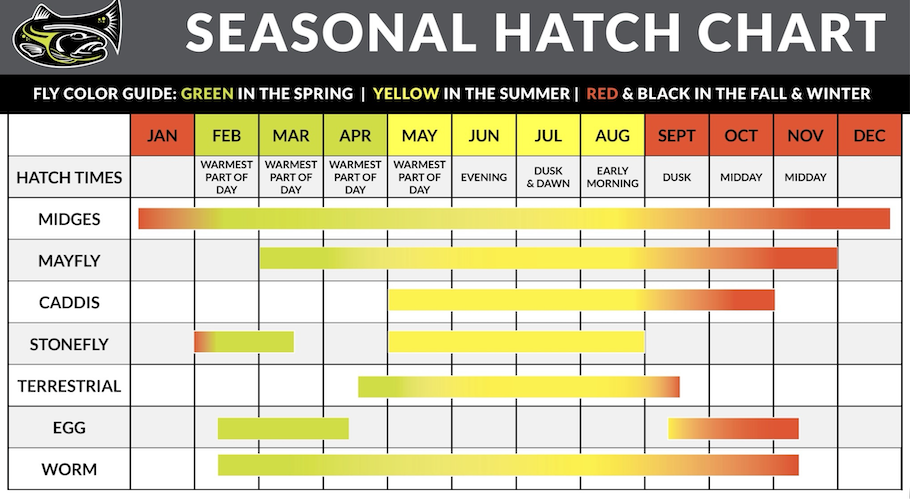
Spring - In the springtime, the best time of day for most fish tends to be mid-morning and late afternoon in early spring and early morning and late afternoon towards the end of spring.
Summer - In summer, the best times of day to fish by far are early morning from dawn until 2 hours past sunrise and late afternoon from 3 hours before sunset until dusk.
Fall - During the fall, the best times of day to catch most species of fish is early morning and late afternoon.
Winter - In the winter, wait until mid-morning to start fishing for the best results. Fishing in the mid-to-late afternoon is usually very good as well.
Rain, Snow, Clouds - Rain and clouds can bring great trout fishing and some of the best fly fishing for trout occurs right before and during a steady rain event.
Best River Access Points (for beginners)
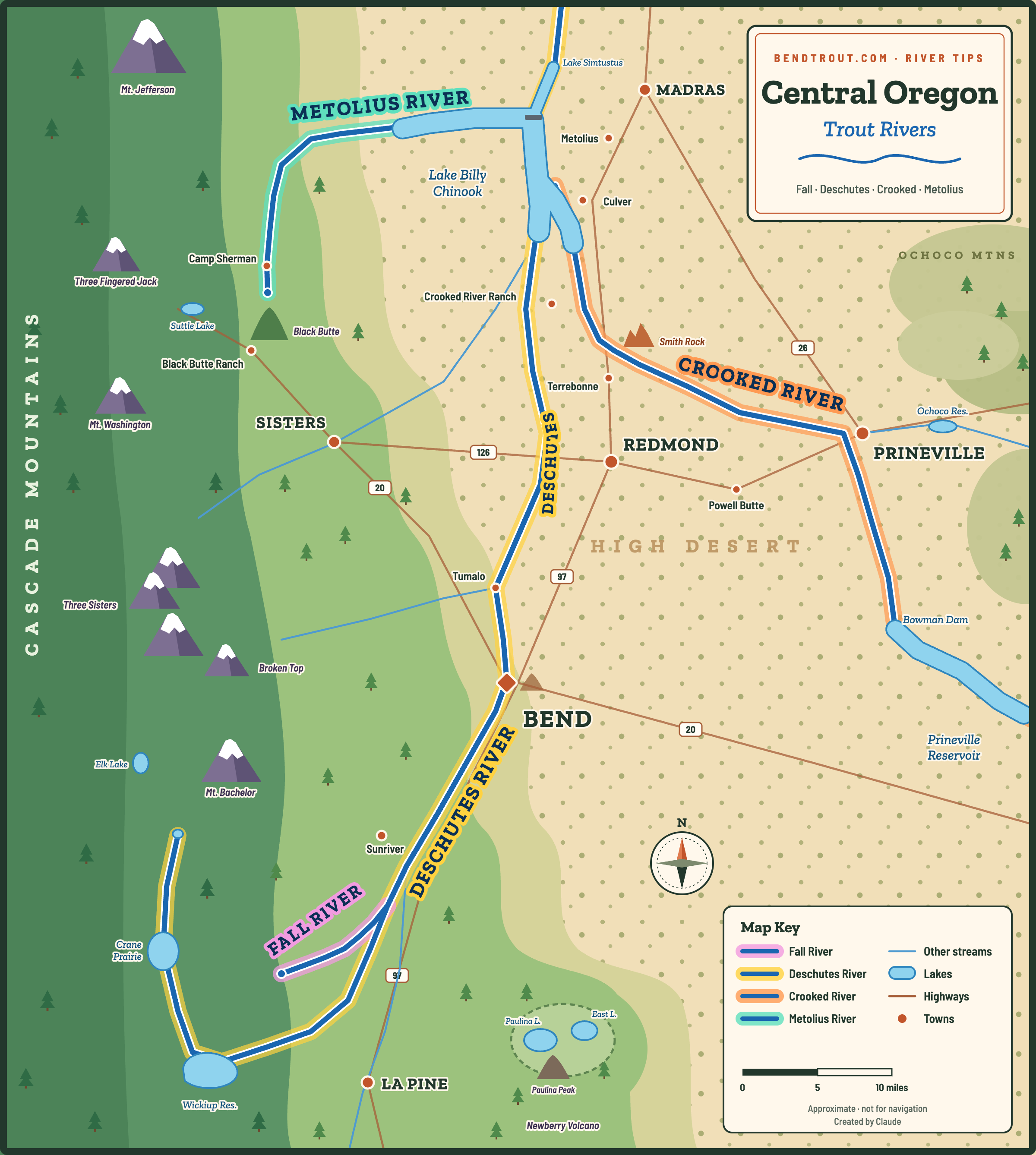
Fall River - The Hatchery & Fall River Falls
The Spot: Head south toward Sunriver to the Fall River Fish Hatchery access point or the Fall River Falls Trailhead.
Why it's great: The area near the hatchery has open, brush-free banks where you can practice casting without snagging trees. The water is flat and transparent, so you can see the sandy slots where the trout rest.
Middle Deschutes River - Riverbend Park & Sawyer Park
The Spot: For easy access right in Bend, start at Riverbend Park or head just north to Sawyer Park.
Why it's great: Riverbend has wide-open slow water, ideal for practicing roll casts. Sawyer Park turns into classic canyon pocket water where native redbands hide behind large volcanic boulders.
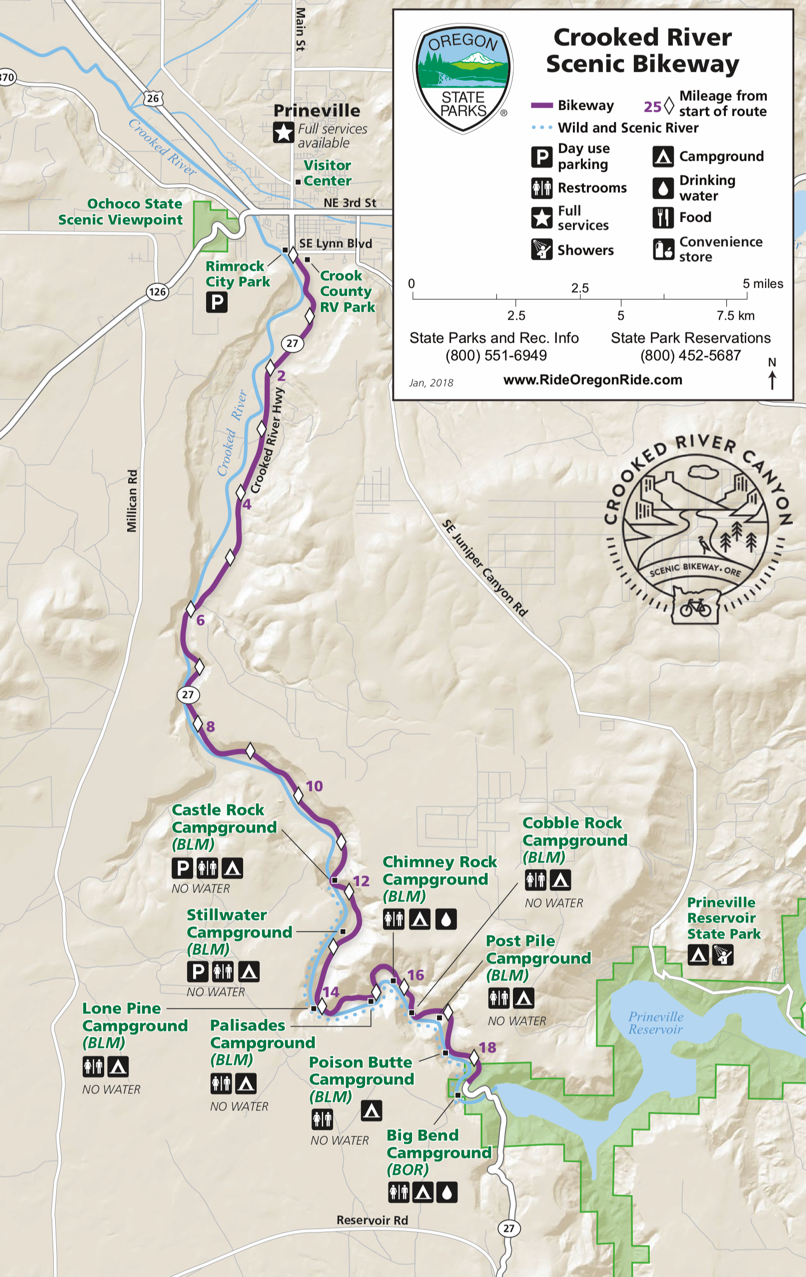
Crooked River - Palisades Campground & Big Bend
The Spot: Drive past Prineville into the canyon below Bowman Dam. Palisades and Big Bend campgrounds have plenty of gentle pullouts right off the main road.
Why it's great: The river runs right alongside the highway. The water is fairly slow, shallow and has a flat gravel bottom, making it safe and easy for a beginner to wade and practice drift control.
Metolius River - Wizard Falls Hatchery
The Spot: Near Camp Sherman; park at the Wizard Falls Fish Hatchery bridge.
Why it's great: The Metolius is very clear but notoriously challenging to wade and fish. The flats just up and downstream from the hatchery bridge give you the best open paths to sight-cast to big trout without fighting heavy bank brush.
Central Oregon River Guide for Beginners - Once your gear is rigged, three distinct local options near Bend offer perfect practice grounds for a new fly angler:
1. The Fall River
Why it’s perfect: A crystal-clear, spring-fed stream that stays a constant temperature year-round. Because the water is completely transparent, it offers a world-class opportunity to practice "sight fishing"—actually watching how trout react to your flies.
Tactics: Requires a stealthy approach and a light leader (5X or 6X tippet). Look for rising trout in the slow-moving flats and cast small Parachute Adams or tiny caddis patterns directly into their feeding lanes.
2. The Middle Deschutes (Near Bend)
Why it’s perfect: Easily accessible canyon stretches right on the edge of town offer pocket-water fishing among lava rocks.
Tactics: During seasonal hatches, casting larger, highly visible dry flies like an Elk Hair Caddis or swinging an active, dark-colored Woolly Bugger streamer through deeper seams can provoke aggressive strikes from native redbands.
3. The Crooked River (Below Bowman Dam)
Why it’s perfect: This is the absolute best classroom for a beginner. The canyon sections along the lower river feature high fish densities of eager, wild redband trout and mountain whitefish.
Tactics: The trout here are less cautious than in larger waters. It is an ideal spot to clip on a strike indicator and practice drift control using simple #16–#18 Zebra Midges or Pheasant Tail Nymphs.
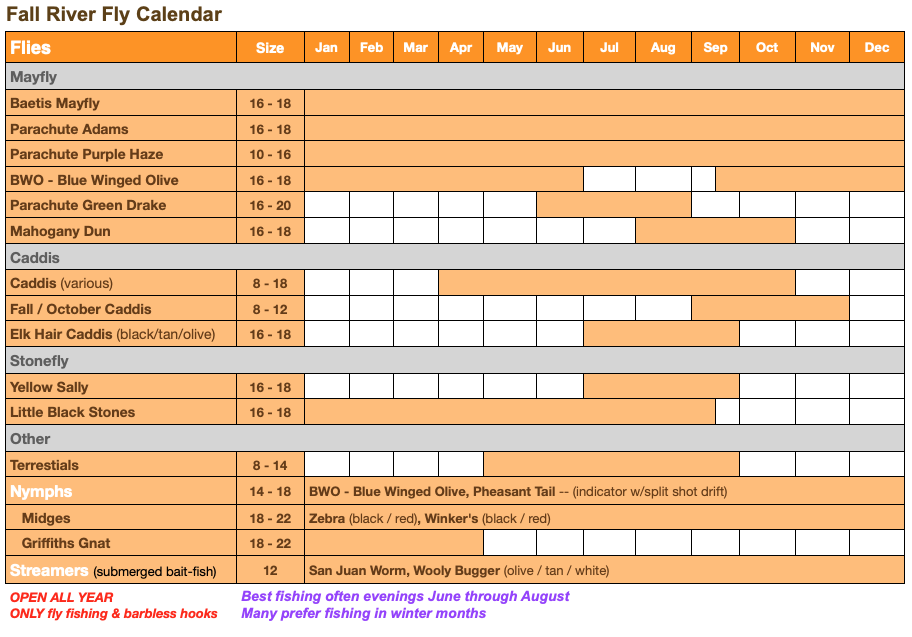
Best fishing often evenings June through August, many prefer fishing in winter months.
To successfully fish the Fall River focus on light tippet, stealthy presentations, and subsurface imitations. Because the crystal-clear waters and pressured trout demand a precise approach, scaling down your tackle is the key to hooking up.
The Right Tackle: Stick to a 4-weight or 5-weight fly rod. You will need a long leader (10 to 15 feet) tapered down to 6X or 7X tippet.
Flies: Rely heavily on small, tungsten bead-head nymphs (like Pheasant Tails or Zebra Midges) or slowly swung streamers. When dry fly fishing, match the prolific hatches with Blue-Winged Olives (BWOs) or Pale Morning Duns (PMDs).
Presentation: Trout often hide beneath the lava ledges along the banks. Cast close to the structure, dead-drift your flies perfectly, and use fluorocarbon tippet for sub-surface presentations so the fish don't spot your line.
A seasonal hatch breakdown and strategies for the Fall River:
Spring (March - May):
Hatches: Early season features Blue-Winged Olives (BWO) and Midges.
Tactics: Nymphing with small patterns (size 18-22) is highly effective before the hatches. Sight fishing with dry flies becomes excellent by May.
Summer (June - August):
Hatches: Pale Morning Duns (PMD), Green Drakes, and Yellow Sallies.
Tactics: PMDs offer fantastic mid-morning dry fly action. Evening caddis hatches are incredibly reliable as temperatures drop.
Fall (September - October):
Hatches: Mahogany Duns, BWOs, and October Caddis.
Tactics: Considered the prime time for dry fly fishing as trophy browns and rainbows become highly active.
Winter (November - February):
Hatches: Steady hatches of Midges and small BWOs.
Tactics: Target slower spring-fed flats with emergers and light nymphs; dry fly action is still possible on warmer days.
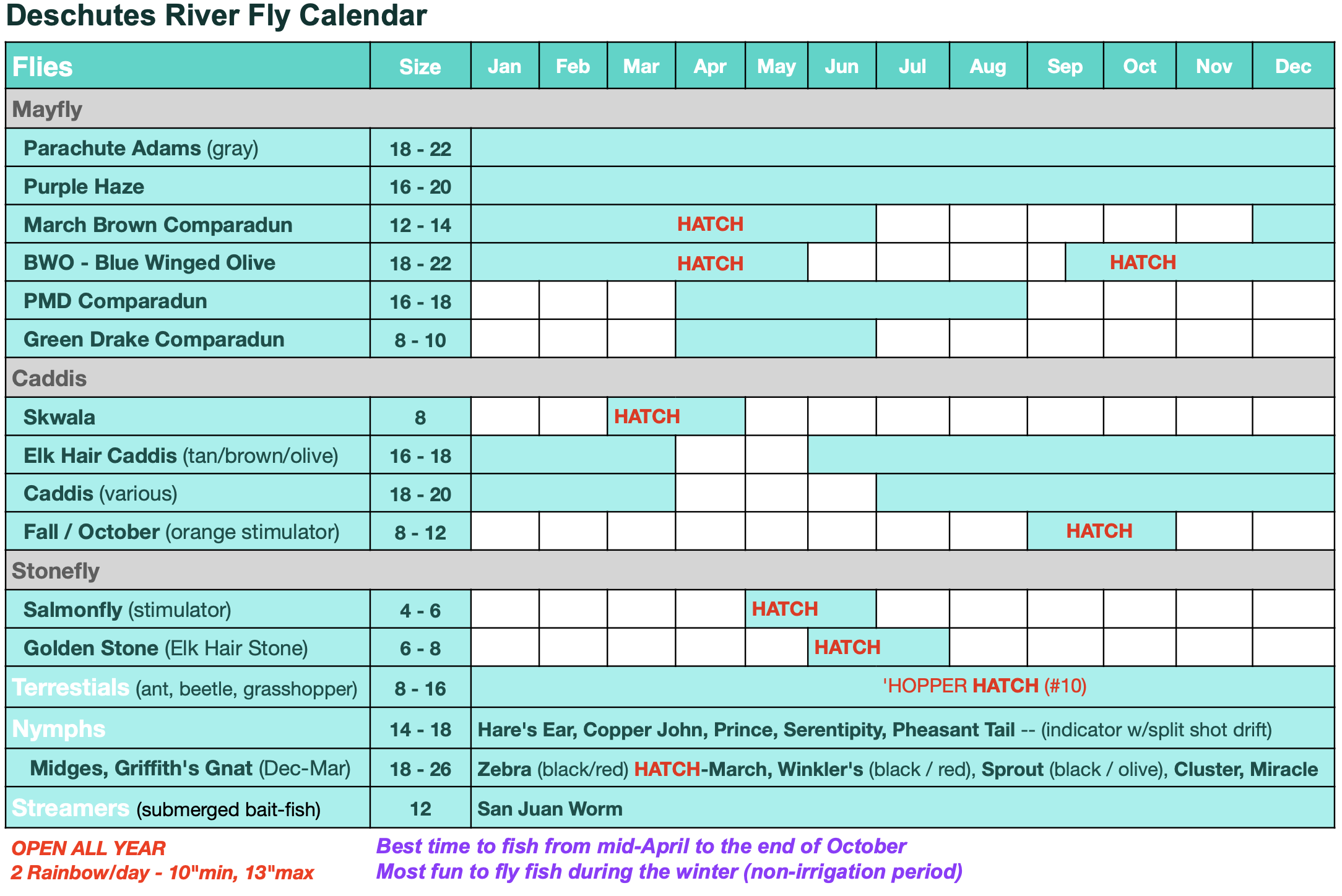
The Deschutes River offers year-round fly fishing, with key windows centering around Skwalas in early spring, the legendary Salmonfly hatch in late May to early June, summer Caddis, and fall Steelhead runs. Timing and target species vary significantly by season.
Spring (March - May)
Skwala & March Browns: Fishing starts early with Skwala and Blue-Winged Olives (BWO) hatches in March. March Browns emerge in April.
Salmonfly Hatch: Starting near Warm Springs, this famous hatch peaks in late May to early June, triggering aggressive surface feeding with giant dry flies (sizes 4-8).
Summer (June - August)
Golden Stones & Caddis: After the Salmonflies, Golden Stones take over, followed by prolific Tan and Green Caddis hatches in June and July.
Pale Morning Dun (PMD): Great dry fly action happens during early mornings and evenings.
Summer Steelhead: Early arrivals enter the lower river (Mack's Canyon to the Columbia) in July.
Fall (September - November)
October Caddis: A signature event where giant orange caddisflies bring big trout to the surface in September and October.
Steelhead Peak: The summer/fall steelhead run peaks in September and October, with fish spreading throughout the entire lower 100 miles.
Winter (December - February)
Nymphing & BWOs: Primarily a subsurface game. Nymphing with stoneflies or using small BWO dries on warmer, overcast afternoons remains productive.
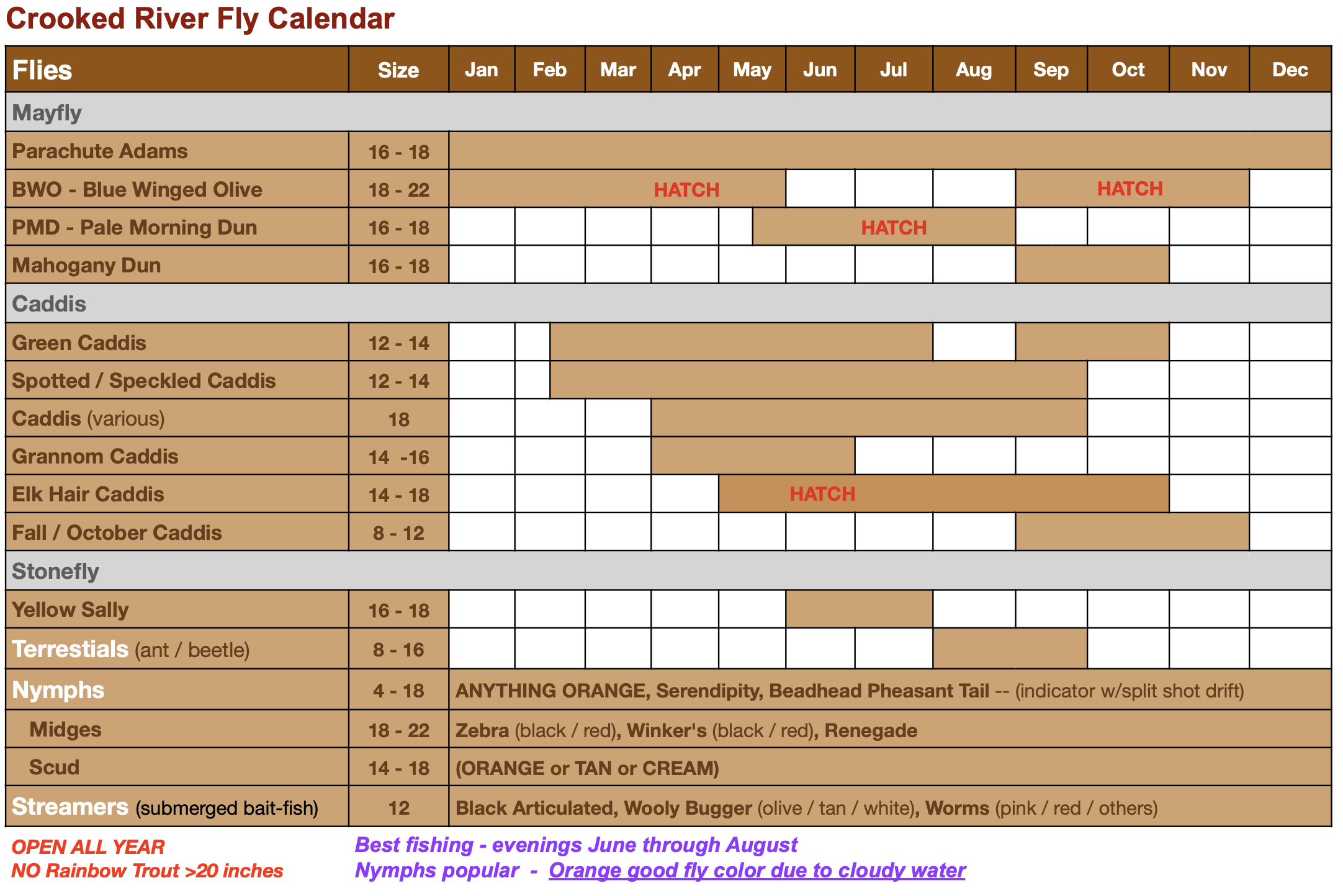
The Crooked River is one of the state's most popular spots and is located 45 minutes east of Bend, Oregon. This small stream is known as a year round fishery. It has the most prolific trout population of any stream in Central Oregon.
Peak fishing runs from March through October. The river is known for prolific Midge, BWO (Blue-Winged Olives), and PMD hatches, as well as Hopper action in the fall.
Spring, Summer and Fall often gives us amazing fishing opportunities with BWO's, PMD's, Caddis and Midges accounting for the very best fishing of the season. Nymph fishing with small Zebra Midges and micro Mayfly Nymphs is absolutely the best way to take trout and some really nice whitefish on the Crooked. Around the middle of May to the middle of June you should encounter some monster Caddis hatches.
In the fall add Mahogany Duns to the list of hatches and look for them in September and early October in pretty decent numbers.
Winter fishing is often good, there are good Midge hatches to be found and drifting a Zebra Midge is hard to beat.
Scuds, Eggs and Prince Nymphs are often a really good bet for the off times of hatches or biological drift activity.
The Crooked River is best fished in the tailwater section from Bowman Dam back downstream towards Prineville to Mile Marker 12. This 8 mile stretch of river is the best section of water to fly fish. There are also limited opportunities to fish the Crooked River near Smith Rock State Park and near Opal Springs.
Seasonal Hatch & Activity Calendar
Winter (December - February): Midges and scuds dominate. Target slow, deep pools with small Zebra Midges (sizes 18-24) and egg patterns, as Whitefish spawn. Mid-morning and early afternoon offer the best midge hatches.
Spring (March - May): Spring brings strong Blue-Winged Olives (BWO) hatches and increasing PMD (Pale Morning Dun) activity. Nymphing is highly productive, but look for fish rising to BWOs in the slower, glassy sections.
Summer (June - August): PMDs and Caddis hatches take over. Early mornings feature excellent dry-dropper fishing, while late mornings and afternoons see reliable PMD activity. Terrestrials, particularly Yellow Sallies and Hoppers, begin producing fish by late summer.
Fall (September - November): This is prime time for Hopper droppers and Cranefly hatches. As temperatures drop later in the fall, Blue-Winged Olives return as the primary hatch, providing excellent dry fly fishing through the late afternoon.
Techniques & Tips
Rigs: Dry-dropper setups, Euro-nymphing, and standard strike indicators are most effective, as the Crooked River is highly technical and demands a perfectly dead-drifted fly.
Tippet: The water is notoriously clear and the fish are easily spooked. Use light 5X to 7X tippet to ensure a natural drift.
Location: The primary 8-mile tailwater section from Prineville Reservoir / Bowman Dam down through the Chimney Rock/Smith Rock areas provides the best and most accessible year-round water.
The fish are wild and difficult to fool. When the fish see a fly, they see it with only the lighting conditions affecting it. Use long, light leaders and tippets. You will need to use 6x and 7x tippets that are three and four foot long often.
When you can see the trout, they can most likely see you. The best, most effective way to catch a trout from the Metolius River or any other spring creek that flows smooth, is to first spot the fish. You have to do that in such a way as not to alert the fish of your presence, either by sound or sight. In other words, the key is to stalk the trout. This must be done very carefully. Remember, trout cannot see objects low to the horizon due to the refraction of light. The lower you stay, the better off you are. Get down and move along on your knees if you have to. The best way is to hide behind something.
The other big key is to fish the hatches. When trout are feeding on hatching insects they are occupied with that. Catching them is much easier than just offering them something when they are resting. Knowing what is about to hatch is very important. If nothing is hatching, then you want to be fishing imitations of what is going to hatch next and what is most plentiful and available for the trout to eat.
When the water is flowing smooth and undisturbed on the surface, it allows the trout to see your fly much better.
If you concentrate on fishing the current seams and riffles and runs when you can find any, you will increase your odds. Anything in the water large enough to change the speed and flow of the water will create these current seams such as tree tops, grass lines, etc. The smoothest, slickest places on the river are the most difficult to fish. However, if the trout are feeding in such places, you need to fish there. That is where the long, light leaders and tippets come in. The best situation is to find a feeding trout or one that is rising to grab insects near or on the surface. If they are not rising and they are feeding on something near the bottom, watch for their white mouths to flash. That tells you they are eating something. When you do find a feeding trout, you must make drag free presentations. That does not only apply to fish on the surface, it also applies to fish feeding beneath the surface. A nymph coming down the stream on the bottom at a speed faster than the current is flowing on the bottom will only spook the trout.
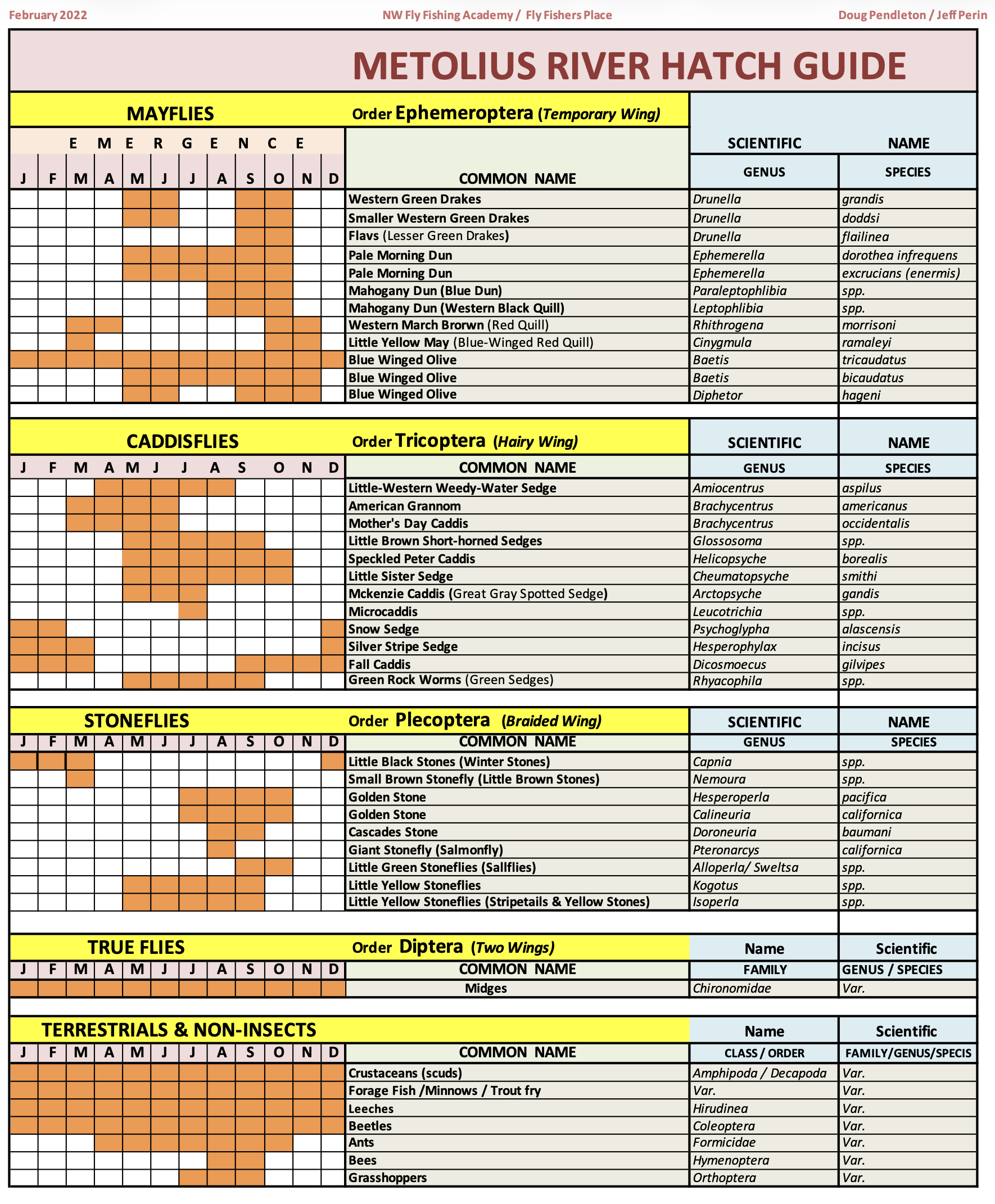
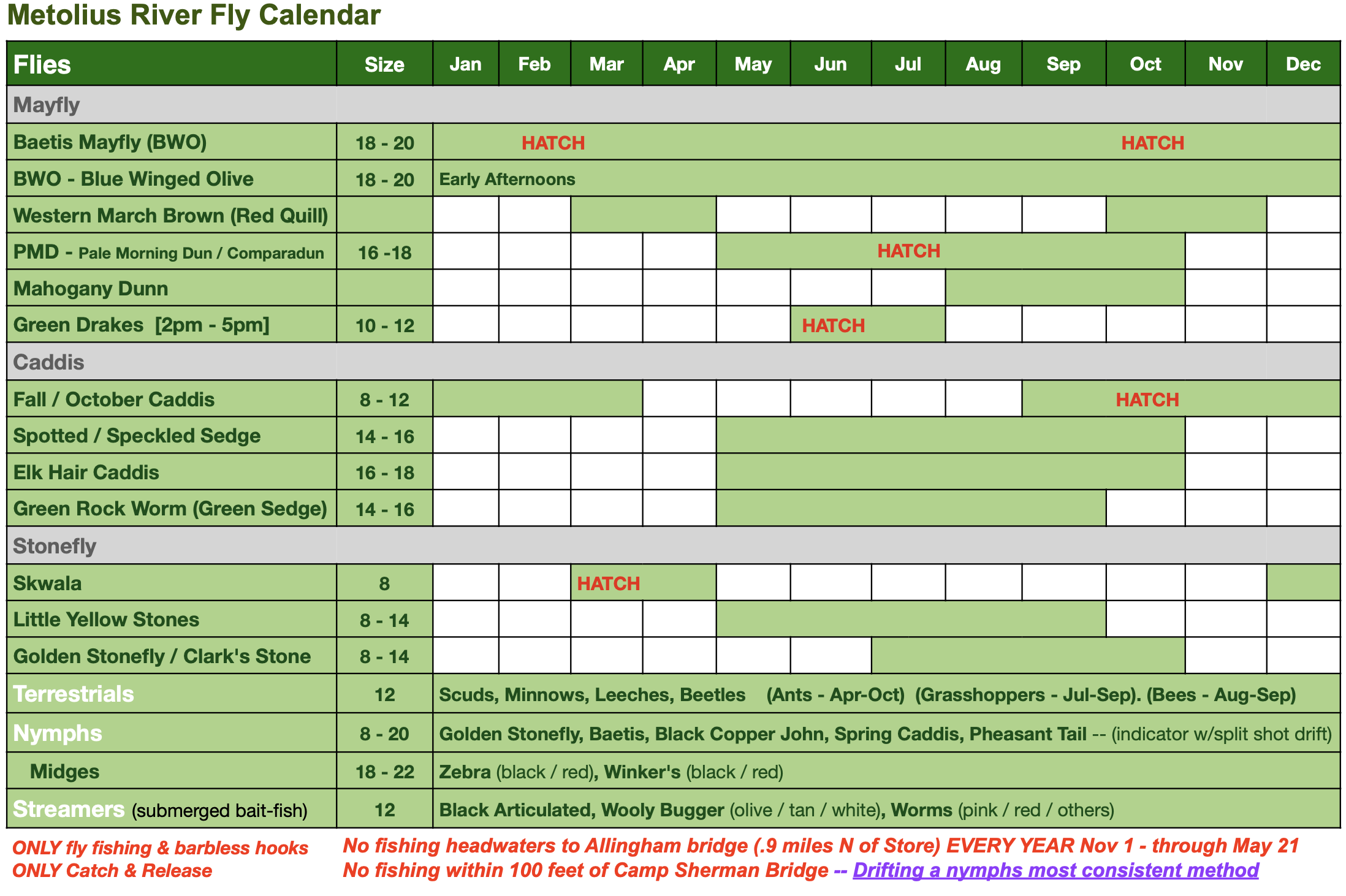
The most important Mayflies to hatch on the Metolius River are the Blue-Winged Olives. They start as early as January and last through most of June.
Caddisflies are very plentiful on the Metolius River. The Spotted Sedge is probably the most plentiful with its several species. The most important stage of life of the Green Sedge is the larva stage. They are imitated with what is usually called 'Green Rock Worms'. These can be very effective on the Metolius.
Golden Stoneflies can hatch from the middle of June until the middle of September. Imitations of their nymphs work year-round. The Little Yellow Stoneflies - called Yellow Sallies - hatch from the middle of June to the middle of August.
Terrestrial insects are on the Metolius River available for the trout to eat from the middle of June through September. Imitations of beetles, ants and grasshoppers all work great during this time period. Midges hatch throughout the year and trout can be taken on imitations of their larvae, pupae and adults most anytime of the year, but the most important times are when no other large insects are hatching.
Spring (March - May)
Hatches: Blue-Winged Olives (BWO) emerge on cloudy days, and March Browns and early Green Drakes begin hatching towards May. Midges are active throughout the day.
Techniques: Nymphing with small Stoneflies, Caddis pupae, and Midge larvae are highly productive.
Regulation Note: The upper river opens for trout and native redband fishing on May 22.
Summer (June - August)
Hatches: This is the prime dry fly window. The famous Green Drake hatch happens from late May into early July. Pale Morning Duns (PMDs) and Yellow Sallies emerge consistently through August.
Techniques: Match the hatch with exact dry patterns (e.g., #8-12 Drakes, #16-18 PMDs). The fish are notoriously wary, so use long leaders (9-12 feet) and light tippets.
Fall (September - November)
Hatches: The October Caddis hatch is the main event here, starting in September and fishing well through October. Mahogany Duns and Blue-Winged Olives are also prevalent.
Techniques: Use large, buoyant dry flies (like size 6-10 October Caddis patterns) and droppers. Bull trout begin migrating upstream to spawn, making fall an excellent time to target them with articulated streamers on sinking lines.
Winter (December - February)
Hatches: Primarily midges and Blue-Winged Olives on warmer, overcast days.
Techniques: Winter fishing is all about targeting migratory Bull Trout migrating up from Lake Billy Chinook. Dead-drift large streamers or fish sculpin patterns.
Leader / Tippet - Even if you already have a leader / tippet attached, here's some helpful info:
The leader is the last part of the line, comprised of one or more pieces of mono-filament, ending with your fly.
Your total leader should be about the length of your fly rod - most fly rods are 8 or 9 feet long and should have 7 to 9 foot leader -- either a single 'tapered leader' (commonly available everywhere) or a 'sectioned leader' (hand-built)
A 'sectioned leader' normally consists of the butt end (closest to fly line), mid-section or sections (optional but preferred, in ever smaller diameters), and finally the tippet (where your fly/hook is attached)
NOTE: Packaged leaders almost always include 'pre-tapered' tippet.
You can look up / buy hook charts which help you easily determine hook size and the matching tippet line size BUT here's the skinny:
Trout tippets are most often 4x to 6x with hook sizes 12 to 22. A 4x tippet would need flies with hooks in the lower # range (larger) where as a 6x tippet would need flies with hooks in the higher # range (smaller).
There are a lot of choices and there are no hard and fast rules. Easily spooked trout may need a smaller 6x or 7x line with small hooks (16-24) and Bass, Steelhead, and Salmon would need larger lines (3x to 0x) and larger hooks (sizes 1 to 12).
For most trout, a 4x or 5x line works for hook sizes 12 to 18
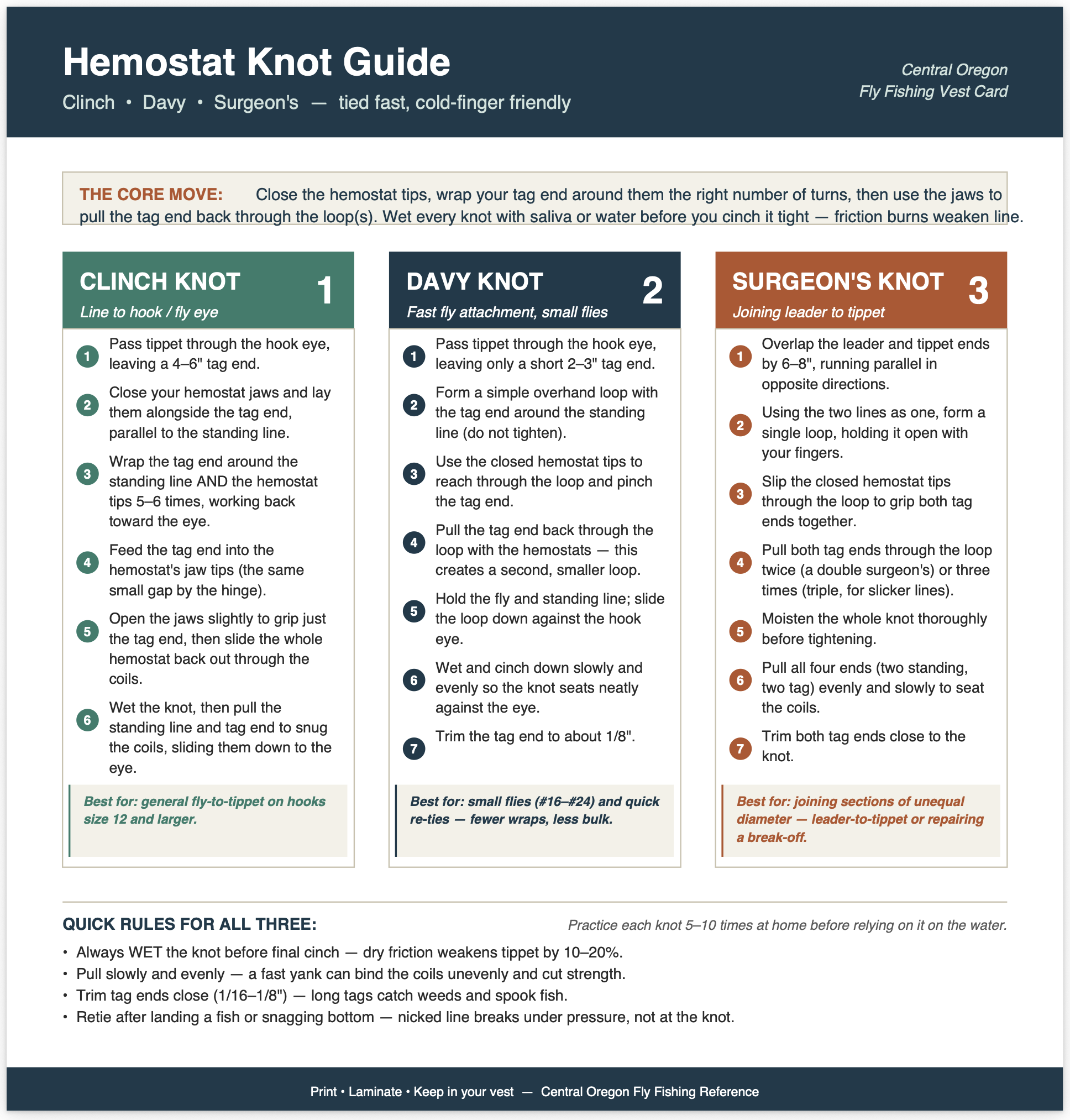
To tie fly onto tippet --- place tippet alongside eye of hook and draw back until tippet 'pops' into the eye
FYI, typical streamer leader sections -- .013 -- .015 ... ending with a .020 tippet
GOAL: "Get the fish to take your fly by stealthily presenting what acts and looks like the food the fish are currently eating"
Your leader should taper down to the tippet (thinnest part) which will most likely be between 4x and 7x and be about as long as your rod. A 9 foot rod (most are) should have about a 9 foot leader. Your tippet portion should be at least 2 feet in length. NOTE - You might want to try ~12 foot leaders with 3 foot tippets on the Metolius and Fall Rivers where the fish 'spook' easy.
Having the correct leader is the MOST important part of fly fishing!
Stand slightly sideways (so it's easy to see behind you, which is important until you really get the hang of proper casting)
Grip your rod like you are shaking hands with your thumb on top at the end of the cork.
The basic cast is very similar to 'throwing a dart' or 'hammering a nail' or 'throwing a paper airplane'. No more arm action, arm distance traveled or force than that!
Always start (and finish) your cast with your rod tip just above (or just touching) the water (below your belt!) DO NOT START ABOVE YOUR WAIST!
Start slowly and build up speed gradually.
Keep your elbow stationary (it's the fulcrum), get the line moving before drawing back to begin your backcast. Imagine you are facing a clock where straight overhead is 12 o'clock and straight below is 6 o'clock. Begin with your starting position at @7 o'clock position with your rod tip just above (or just touching) the water and begin to slowly raise your rod.
By the way, ALL clock reference positions REFER to the position your thumb should be pointing.
You accelerate your rod from the 10 o'clock to 1 o'clock, stopping (briefly!) at the 1 o'clock position. You should 'break' your wrist as you finish your upcast and this will allow your line to fully extend behind you. Standing sideways allows you to see exactly how long it takes for your line to fully unfurl above and behind you.
ONCE MORE: As you slowly draw the rod up, your fishing line will begin to move towards you. Continue moving up and into the air with the majority of your energy happening between 10 o'clock (fairly high up and in front of you) and 1 o'clock (up and behind you). STOP BRIEFLY to let your line fully extend behind you and then 'relax your wrist' (break it - a little snap) ... stop, drop (your wrist), and roll (forward)!
Then start your downcast - again, with the majority of energy between 10 o'clock and 1 o'clock, and again 'breaking' your wrist - slightly snapping your line at the 1 o'clock position. (where you would 'release the dart or paper airplane' or 'hammer the nail!')
At this point, you can either...
Repeat the upcast and downcast as many times as you wish (1 o'clock to 10 o'clock to 1 o'clock ...). THIS IS CALLED FALSE CASTING. Experienced fly fishers usually only do this one time generally leaving false casting only for those times when they want to dry out their fly. OR
With diminishing energy after the downcast wrist 'break' at @1 o'clock, finish your downcast and lower your rod to just above the water at about the 7 o'clock position (below your belt!) and begin fishing -- you are hoping for a very delicate presentation as the tippet and fly land in your target zone so as not to spook any fish.
AFTER EVERY CAST - PUT YOUR LINE UNDER YOUR INDEX FINGER
THINK: You ARE NOT casting the fly line ... You ARE casting the leader and fly!
Your upcast and downcast between the 10 o'clock and 1 o'clock positions should be AT THE SAME ENERGY AND TEMPO and your upcast and downcast before and after reaching the 1 o'clock position should also be similar energy and tempo.
REMEMBER: DO NOT MOVE YOUR FULCRUM POINT (YOUR ELBOW)
Once your line and fly are on the water, you can 'strip your line' by using your left hand to grab the line behind your index finger and pull in segments. This may attract a fish and then if you want to 'shoot the line' you simply upcast and on the downcast - at the 10 o'clock position - you release your tight grip on the line (keeping it loosely 'cupped' in your left hand) - and the line you stripped will go back out. 'Hammer the nail' and THEN release your grip on the fly line!
If you cannot backcast (obstruction/tree etc.) then you can roll cast. You simply bring back your rod slowly to the 1 o'clock position, let the line come to a stop, and then do a normal downcast. Give it a try and then practice!
PRACTICE, PRACTICE, PRACTICE!!!
YOU CAN MORE EASILY LEARN CASTING BY PUTTING ONE KNEE ON THE GROUND, BENDING THE OTHER KNEE, AND USING THE BENT KNEE LEG TO SUPPORT YOUR ELBOW. THIS WILL HELP YOU LEARN TO KEEP YOUR ELBOW STATIONARY AND ALLOW YOU TO WATCH YOUR BACKCAST COMPLETE SO YOU CAN BETTER UNDERSTAND HOW MUCH TIME YOU NEED TO STOP AT THE COMPLETION OF YOUR BACKCAST.
ADVANCED CASTING
The 'roll cast' is extremely important if you don't have room behind you to cast. Leaving your leader on the water slowly bring back to about the 1 o'clock position and then move your rod quickly forward, pointing your thumb at your target spot.
The 'double haul' ... what?! - - This is an advanced casting skill you should consider only AFTER you are totally comfortable with the basic cast. It is especially helpful if you are casting longer distances or if it is windy.
A double haul will increase your line speed and allow you to cast farther, faster, and cast more effectively in windy conditions. NOTE: it is difficult to explain or master so here are a couple of handy links:
Best all-around for Central Oregon: a 9-foot, 5-weight (905-4), medium-fast action rod. It has the backbone to punch through afternoon wind on the Deschutes and handle a two-nymph rig on the Crooked, yet enough finesse to sight-cast to rising fish on the Fall.
Rod Length
6 to 8.5 ft - small creeks, tight brushy streams, delicate presentations.
9 ft - the universal standard; best balance of reach, power, line control and easy casting.
10 to 11+ ft - specialized for Euro-nymphing, Spey casting or high-sticking big rivers.
When you put your rod together do it from the far end and not the handle. Insert pieces about 1/4 off center and twist clockwise to better seat
Rod Line Weight (0 to 14 scale)
1–3 wt - ultra-light; small mountain streams, small brook trout and panfish (flies #12–#22).
4–5 wt - light to medium; a 5-wt is the premier all-rounder for trout.
6–7 wt - medium-heavy; large trout, bass, carp, light streamers.
8 wt - steelhead, salmon, saltwater.
9–14+ wt - big game like tarpon, pike and musky.
Rod Action (how it bends)
Slow - bends down to the cork; short, delicate casts on small water.
Medium / Medium-Fast - bends in the upper half; best mix of feel and control for beginners.
Fast - bends near the tip; high line speed, cuts wind, handles heavy flies.
Trout Rod Matrix
Water & Style
Length
Line Weight
Action
Small streams & brushy creeks
7.5–8.5 ft
3–4 wt
Medium / Slow
General rivers & all-around trout
9 ft
5 wt
Medium-Fast
Large rivers, streamers & wind
9 ft
6 wt
Fast
Euro-nymphing
10–11 ft
2–3 wt
Flex-Tip / Fast
Rod & Reel Outfits - a matched "ready-to-fish" kit (rod, reel, line, backing) takes the guesswork out of getting started. Prices are approximate.
Beginner Budget
Redington Path Outfit (~$119) - forgiving medium-fast rod; includes Crosswater reel, floating WF line, tapered leader and travel tube. A popular entry-level benchmark.
Echo Lift Kit (~$218–$257) - durable medium-fast rod, Echo Base reel, spooled line and backing, case. Lifetime replacement warranty.
Orvis Encounter Outfit (~$249) - built for easy, intuitive casting. Available at Sportsman's Warehouse on Hunnell Road in Bend.
Redington Wrangler Trout Kit (~$330) - 9-ft, 4-piece, medium-fast rod; Crosswater reel, RIO Mainstream line, leader and case.
Step-Up Options
Orvis Clearwater Outfit (~$479) - popular mid-tier; medium-fast rod with Clearwater large-arbor reel.
Sage Foundation Outfit (~$775) - premium, made in the USA; fast action, Sage Spectrum C reel and RIO Gold line.
Reel-less Option
Dragontail Mizuchi zx340 Tenkara Rod (~$180) - fixed-line rod that zooms to 8, 9.6 or 11 ft; great for small, overgrown creeks.
Fly Box Setup for Central Oregon
For local rivers, a single double-sided fly box - Nymphs/Subsurface on one side and Dry Flies on the other - is the most efficient beginner setup.
Rivers like the Crooked, Fall and Deschutes support a massive population of tiny insects, so the main rule here is to think small - most of your flies should be thin, segmented, and size 16 down to size 22.
Side 1: Nymph & Indicator Setup (your bread and butter)
Subsurface nymphing catches the vast majority of local fish year-round. Use thin flies with hot spots or wire ribbing to mimic local insects.
Midges (year-round stronghold)
Zebra Midge (#18–#22) - carry black, red and olive. The ultimate default fly on the Crooked River.
Deep Blue Poison Tung or Mercury Midge (#18–#22) - excellent silver flash for the Fall River.
Mayfly Nymphs (fall & spring peaks)
Pheasant Tail Nymph (#16–#20) - classic profile matching local Blue-Winged Olives (BWO) and Pale Morning Dun (PMD) nymphs.
Perdigons & Jig Nymphs (#16–#18) - heavy tungsten-beaded flies like the Spanish Bullet or Firestarter. Sleek profiles get deep quickly without extra split shot.
General Purpose Attractors
Ray Charles or San Juan Worm (#14–#16) - simple, bright tailwater favorites; great on the Crooked River when flows fluctuate.
Girdle Bug / Jimmy Legs (#8–#12) - large rubber-legged stonefly imitations used to anchor a two-fly rig in the faster riffles of the Middle and Lower Deschutes.
Side 2: Dry Fly Setup (surface activity)
When afternoon shadows hit, or overcast drizzly fall weather rolls in, local trout rise aggressively to surface insects.
Blue-Winged Olives (BWOs)
Sparkle Dun or Parachute BWO (#18–#22) - essential late September through November. Drizzly, low-light days trigger big hatches on the Fall and Deschutes.
Caddisflies
Elk Hair Caddis (#14–#18) - tan or olive bodies. Great for skating across the pocket water of the Middle Deschutes or near overhanging brush.
Attractors & Terrestrials
Purple Haze (#16–#18) - a high-visibility version of the classic Adams that local trout can't resist.
Chubby Chernobyl (#10–#14) - a large foam fly that floats like a cork. On the Crooked River, tie tippet to the hook bend and drop a tiny Zebra Midge 2 feet below it (a "Hopper-Dropper" or "Chubby-Dropper").
Starter Fly Kits & Boxes
Postfly Trout Fly Fishing Kit (~$28) - guide-picked starter flies plus a rigging and insect guide. Stocked at the Walmart on Pinebrook Blvd in Bend.
MFC Poly Fly Box "My First Fly Box" - Trout (~$28) - light, rugged box with slit foam and a clear lid.
How to Rig a Two-Fly Nymph Setup
The easiest and most common rig for Central Oregon is the "In-Line" (hook-bend) method. It keeps your flies tracking one behind the other and reduces tangles in faster currents.
[Main Fly Line]
       │
   [Leader] (9 ft 4X or 5X tapered monofilament)
       │
 ───(Strike Indicator)
       │
   [Knot]
       │
 ┌─────┴─────┐
 │  Fly #1   │ ◄── Point Fly (heavy / attractor: e.g., #10 Girdle Bug or #14 Ray Charles)
 └─────┬─────┘
       │  ◄────── Dropper Tippet (18-24 in. of 5X fluorocarbon tied to hook bend)
   [Knot]
       │
 ┌─────┴─────┐
 │  Fly #2   │ ◄── Dropper Fly (small / mimic: e.g., #18-#22 Zebra Midge or Pheasant Tail)
 └───────────┘
Tie on the Point Fly: Attach your first, heavier fly (jig nymph, Girdle Bug or Ray Charles) to the end of your tapered leader with a Clinch or Improved Clinch Knot.
Cut a Dropper Tippet: Cut 18 to 24 inches of tippet (fluorocarbon for nymphs - it sinks faster and is nearly invisible). Use the same size or one size thinner than your leader (e.g., 4X leader → 5X dropper).
Tie to the Hook Bend: Tie one end of the dropper tippet around the bend of the first fly's hook with an Improved Clinch Knot, snug at the base of the curve.
Tie on the Dropper Fly: Tie your smaller fly (#18–#22 Zebra Midge or tiny Pheasant Tail) to the other end of the dropper tippet.
Adjust Weight & Indicator: Place your strike indicator on the thick upper part of the leader, about 1.5 to 2 times the water depth. To get deeper in fast riffles, pinch a small split shot onto the leader above the first hook.
Nymph Color Cheat Sheet (Crooked, Fall & Middle Deschutes)
Midge Larva & Pupa Colors - midges are present every day of the year here and are a huge part of a trout's diet, so matching the color matters.
Black (year-round default) - top producer in late fall and winter; matches the dark, segmented emerging pupa. Patterns: Zebra Midge, Mercury Midge, Black Beauty (#18–#22).
Red / "Blood" Midge (fall & winter) - exceptional October through March, especially on the slower upper Crooked River flats; mimics bright-red larvae living in low-oxygen mud. Patterns: Blood Midge, Demon Midge, JuJuBee Midge (#18–#22).
Olive (spring & summer) - early spring through late summer; picks up on the Fall River as water temperatures shift. Patterns: Olive Zebra Midge, Olive Midge, olive Perdigons (#18–#22).
Mayfly Nymph Colors - wider and more segmented than midges; use when trout ignore tiny midges and want a bigger meal.
Brown & Natural Tan (BWO / PMD standard) - overcast afternoons in fall (Sept-Nov) and spring (Mar-May). Patterns: Pheasant Tail, Hare's Ear, copper-beaded Frenchie (#16–#20).
Peacock / Dark Iridescent Green - pocket water and deep lava runs on the Middle Deschutes; buggy shimmer in bright sun. Patterns: Peacock Nymph, Prince Nymph, weighted Flashback Nymph (#16–#18).
Local Secret: Add Flash & Hot Spots - when natural colors are being ignored on pressured water:
Fluorescent Orange or Pink Hot Spots - a band of color behind the bead (Blow Torch, Frenchie) triggers aggression. Very effective on the Crooked River as light fades in the canyon.
Mercury Glass Beads - a clear silver glass bead traps a tiny air bubble, just like a real insect rising to hatch. Great on the clear flats of the Fall River.
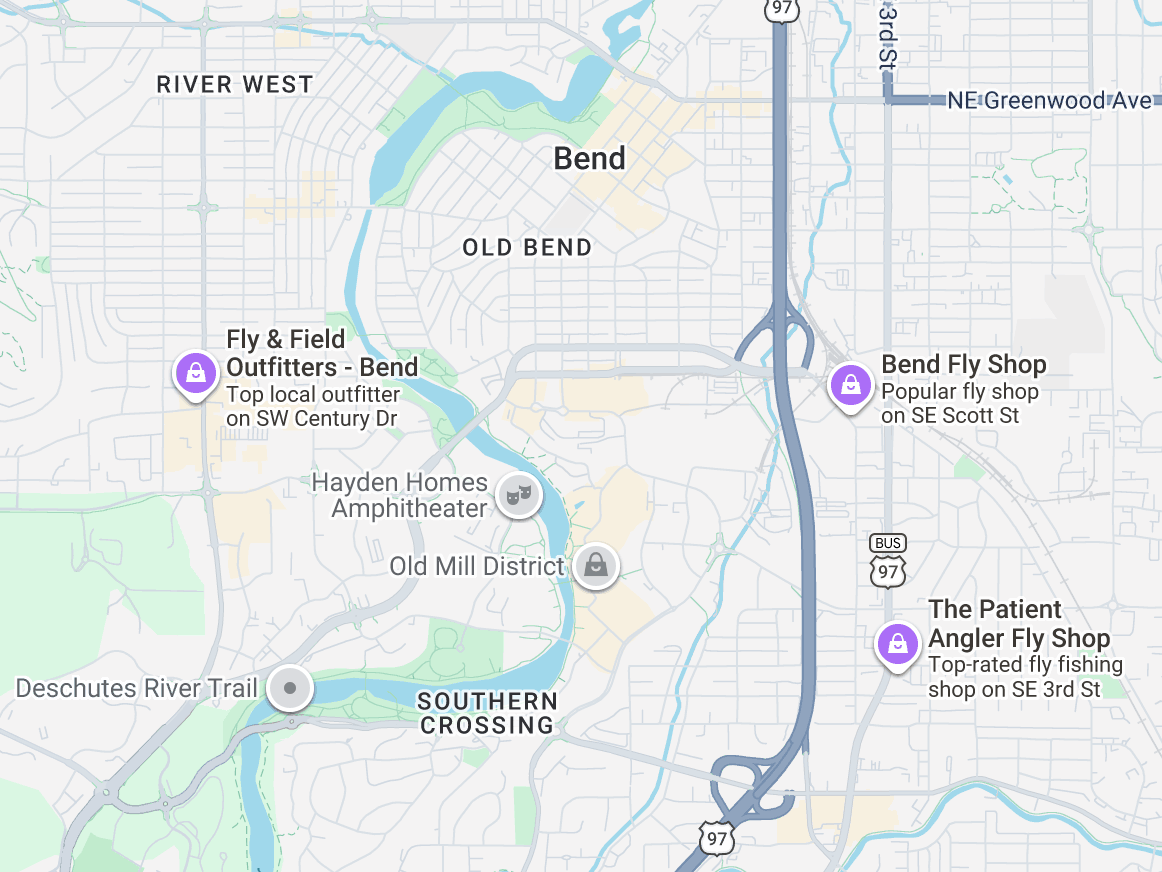
Best Local Shops for Rods, Reels & Flies - visiting a shop beats buying online: staff will map out current hatches, show you how to rig, and make sure your reel is spooled correctly. Most sell flies individually or by the dozen.
The Patient Angler (822 SE 3rd St) - great beginner-budget selection (Redington, Echo) rather than only high-end gear. Owner Steve and staff are known for a zero-pressure approach and will spend real time walking new anglers through lines, knots and flies.
Bend Fly Shop (50 SE Scott St #1) - a local favorite for friendly service and practical gear expertise. Good stock of Echo setups and a fairly priced fly selection.
Fly & Field Outfitters (35 SW Century Dr) - premium full-service shop and guide outfitter with a big wall of rods, reels and custom flies; good place to test-cast mid-tier to high-end rods.
Fly Fishing Gear Checklist
Core Tackle
Fly Rod - matched to your water and fish (e.g., 9-ft 5-wt for trout).
Fly Reel - sized to balance your rod, with a reliable disc or click-pawl drag.
Fly Line - weight-forward (WF) or double-taper (DT) matching your rod weight; floating is standard.
Backing - braided line spooled on the reel under the fly line.
Leader & Tippet - tapered leaders (7.5 to 12 ft) and tippet spools (3X, 4X, 5X...).
Flies - dry flies, nymphs and streamers based on what the fish are eating:
'Stretch' both your fly line and leader periodically
How to Stretch a Fly Line
The Tree or Post Method: Tie an old leader (or hook the fly) to a stationary object like a tree, post, or boat cleat. Walk away to unspool the entire fly line past the rod tip. Lock down your reel drag or place your hand over the spool, then lean back and apply firm tension for a 10 to 30-second count.
Hand-over-Hand Section Stretching: Strip off sections of the line (about 6 feet at a time) and pull firmly with both hands to work out the coils.
The Foot-Step Method: Step down on a loop of the line against the ground and pull upward steadily to stretch out sections of the line individually.
Clean and lubricate your line regularly
How to Clean and Lubricate a Fly Line
Wipe Down Debris: Run the fly line through a clean, damp microfiber cloth or a dedicated cleaning pad (such as those from Scientific Anglers or Loon) to strip away grit, algae, and salt.
Apply Line Dressing or Lubricant: Use a specialized fly line treatment—like Special Delivery Line Dressing, Rio Towelettes, Wiz Lube, or Loon Line Speed Kit—or food-grade silicone spray applied to a clean rag.
Coat the Line: Run the line through the treated rag in both directions so the silicone or dressing bonds evenly across the surface. This lowers friction, boosts floatation, and prevents cracking.
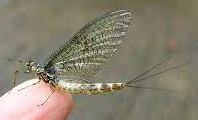 Mayfly (Dry)
Parachute Adams (Gray, Purple Haze), Baetis Mayfly, Blue-Winged Olives (BWO), Pale Morning Dun (PMD), Green Drake Comparadun, March Brown Comparadun, Mahogany Dun, Rusty Spinner
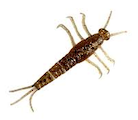 Mayfly Nymph (Wet)
Beadhead Pheasant Tail, Hare's Ear (Gold Ribbed Hare's Ear), Copper John, Prince, Serendipity
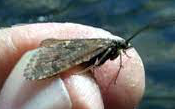 Caddis (Dry)
Caddis (various), Elk Hair Caddis, Green Caddis, Spotted/Speckled Caddis, Grannom Caddis, Green Rock Worm (Green Sedge), October Caddis (Fall)
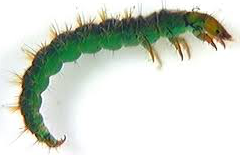 Caddis Nymph (Wet)
Caddis Pupa, Sparkle Pupa, Z-Wing Caddis, Serendipity
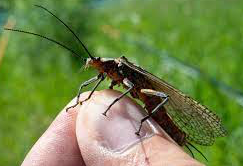 Stonefly (Dry)
Terrestrials (ant, beetle, grasshopper), Yellow Sally, Golden Stonefly /Clark's Stone (orange / yellow), Little Black Stones, Olive Stones, Little Yellow Stones
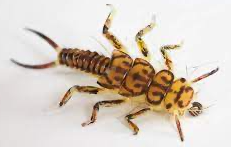 Stonefly Nymph (Wet)
Pat's Rubber Legs, Girdle Bug, Kaufmann's Stone, 20-Incher
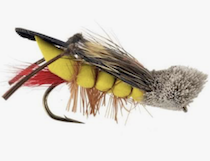 Other Surface (Dry)
Hopper (Dave's Hopper, Chernobyl Ant), Griffith's Gnat (midge cluster), Ant, Beetle, Cricket, Mosquito
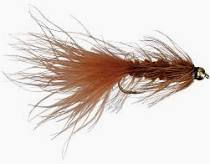 Other Subsurface (Wet)
Woolly Bugger, Zebra Midge, WD-40, Brassie (midges), Muddler Minnow, Clouser Minnow, Zonker, Sculpin patterns (streamers), San Juan Worm, Egg patterns, Squirmy Wormy (attractors/other), ANYTHING ORANGE or PEACOCK or DARK IRIDESCENT GREEN - for Crooked River